3D SVG Chicken for Shadow Boxes & Blog Graphics
As a digital publisher who has spent years curating the visual identity of multiple content platforms, I approach every new graphic design asset with a critical eye. It is not enough for an image to be cute; it must perform. It needs to stop the scroll on Pinterest, anchor a blog post header, and maintain integrity when scaled down to a mobile thumbnail. Recently, I reviewed the 3D Layered Chicken Cut File Vector, and my initial assessment suggests this is a versatile tool for creators in the lifestyle, farming, and educational niches. The first impression is one of whimsical depth. Unlike flat icons that can sometimes feel sterile, this layered approach creates immediate visual hierarchy, drawing the reader's eye to the focal point before they even read the headline.
Defining the Editorial Mood and Niche Fit
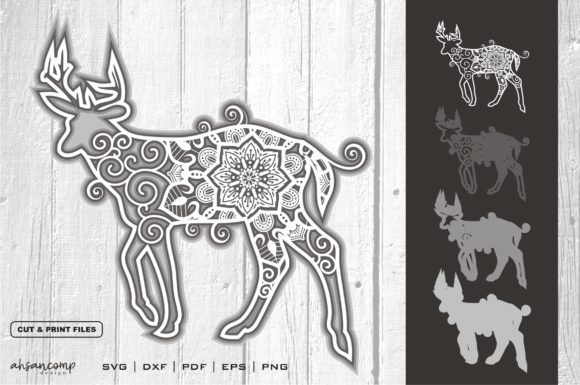
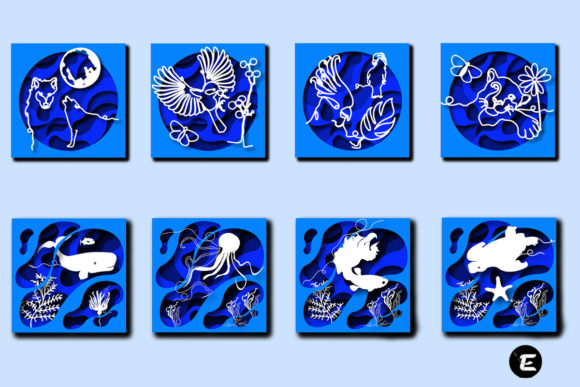
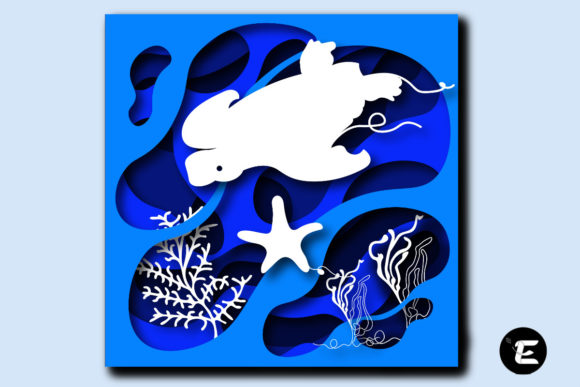
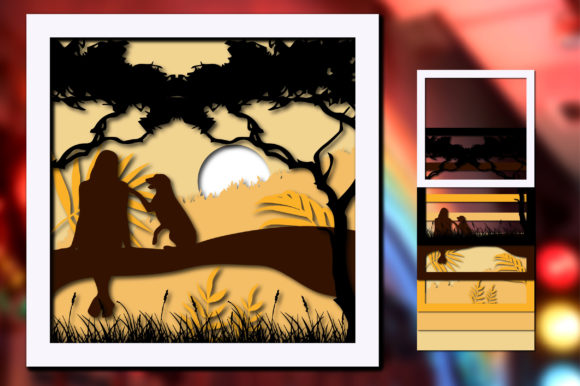
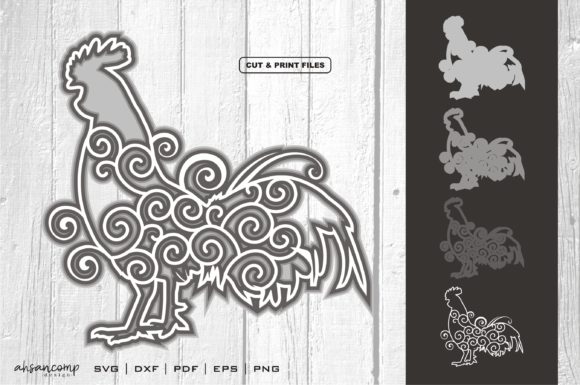
The aesthetic of this vector set leans heavily into a playful yet polished vibe. It strikes a balance between rustic charm and modern creative design. For bloggers operating in the homesteading, parenting, or seasonal craft spaces, this asset feels right at home. It supports a narrative that is approachable and warm. When I visualize this in a real publishing workflow, it naturally complements content about spring activities, Easter recipes, backyard farming guides, or children's educational printables. The "layered" aspect is key here; it mimics the popular trend of paper crafting and Shadow Boxes, which resonates deeply with DIY audiences. However, it is important to remember that while the preview images show framed art or physical cutouts, this is strictly a digital file delivery. You are receiving the source data to create those effects, not a physical object. This distinction is vital for setting customer expectations if you are selling finished goods made from these files.
Integrating into a Multi-Platform Content Strategy
The true value of a high-quality digital download lies in its adaptability across various channels. In my own workflow, I see the 3D Layered Chicken Cut File Vector serving several distinct functions beyond just decoration.
- Pinterest Graphics: The vertical nature of many chicken illustrations makes them perfect for tall pins. The layers allow you to place text behind the main subject but in front of the background elements, creating a professional, magazine-style look that boosts click-through rates.
- Blog Featured Images: Instead of using a generic stock photo, using this vector as a hero image gives your site a unique brand identity. It signals to the reader that your content is custom-curated.
- Digital Guides and Lead Magnets: If you are creating a PDF guide on "Raising Backyard Chickens" or a seasonal checklist, these vectors can serve as chapter headers or decorative bullets, adding value to your content marketing efforts.
- Social Media Graphics: For Instagram stories or Facebook posts, the clean lines of the 3D SVG format ensure crisp rendering on high-resolution retina displays.
- Newsletter Banners: A subtle chicken graphic can break up text-heavy emails, making your weekly digest more engaging and visually appealing.
Enhancing Visual Performance and Reader Trust
Why does the quality of a vector matter for performance? Because consistency builds trust. When a reader sees a cohesive visual language across your website header, social media, and downloadable resources, they perceive your brand as more authoritative. The 3D Layered Chicken Cut File Vector supports this by offering a consistent style that can be recolored to match your specific palette. Whether you need a golden hue for autumn or pastels for spring, the editable nature of SVG files allows for seamless integration. This flexibility improves category recognition; eventually, your audience will associate that specific style of illustration with your expert advice. Furthermore, vector graphics load faster than heavy photographs, contributing to better page speed scores—a crucial factor for SEO and user retention.
Strategic Placement and Usage Constraints
While this asset is powerful, it is not a one-size-fits-all solution. It works best in environments where personality is encouraged. Think hero images for lifestyle posts, thumbnails for video tutorials, or accents in Canva templates designed for teachers. However, caution is advised when deploying it in serious professional niches. If you are running a corporate finance blog or a legal advice column, a whimsical chicken might undermine your credibility. Additionally, be mindful of visual hierarchy in busy layouts. Because the design relies on layering for its 3D effect, placing it over a complex, patterned background can cause the details to get lost. It shines brightest against solid colors or soft gradients where the shadows and layers pop.
Practical Notes for Publishers and Designers
Before integrating this into your live site or product line, I recommend a rigorous testing phase. First, view the asset on both desktop and mobile screens. Does the layering hold up when the image is shrunk to the size of a smartphone notification? Next, test the contrast. Try placing white text over the darker shadow layers and black text over the lighter areas to ensure readability. Experiment with typography pairings; this particular style often looks fantastic beside handwritten script fonts for a personal touch, or bold sans-serif fonts for a modern editorial look.
From a technical standpoint, always check the file size. While vectors are generally lightweight, complex layered files can sometimes bloat if not optimized. Ensure you compress any exported PNGs properly for web use. Finally, and most importantly, review the licensing terms. Since this is a commercial design asset intended for creators, confirm that your intended use—whether for affiliate marketing visuals, paid digital products, or client work—is covered under the commercial license. Remember, the mockups you see in the marketplace are for inspiration only; you are purchasing the digital tools to build your own unique creations.
In conclusion, the 3D Layered Chicken Cut File Vector is a robust addition to any creative entrepreneur's library. It bridges the gap between traditional craft aesthetics and modern web design needs. By leveraging its layered depth, you can create blog graphics and printable designs that feel tactile and engaging, ultimately driving better engagement and fostering a stronger connection with your audience.