Holly Gable Box: A Festive 3D SVG for Christmas Packaging
When a local boutique owner approached me last month to revamp their seasonal gift line, the brief was specific: they needed packaging that felt handmade yet polished, festive but not cluttered. In the sea of generic holiday assets available on creative marketplaces, finding a graphic design asset that balances charm with structural integrity is often a challenge. That is when I stumbled upon the Holly Gable Box. As a designer who constantly evaluates files for real-world production, my first impression was one of cautious optimism. The preview images suggested a classic holiday aesthetic, but I needed to know if this SVG cutting template could hold up under the scrutiny of a professional commercial design project.
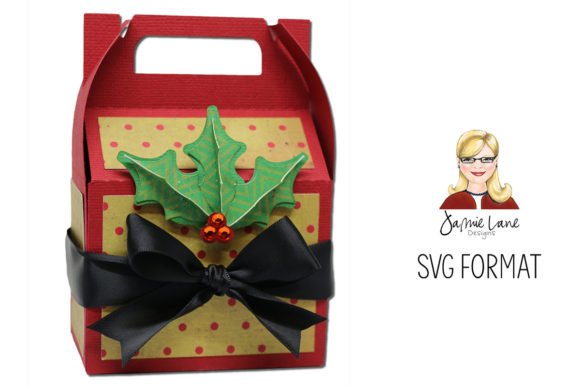
The visual mood of the Holly Gable Box is undeniably traditional. It leans heavily into the cozy, nostalgic side of the season, utilizing organic holly motifs that evoke warmth and heritage. For a client running a handmade business or an Etsy product line focused on artisanal goods, this style is gold. It avoids the slick, overly modern look that can sometimes feel cold during the holidays. Instead, it offers a texture and depth that suggests care was taken in the creation process. When reviewing the file structure, I noted that the dimensions—approximately 5 x 3-1/2 x 2-1/4 inches—are ideal for small retail items like soaps, jewelry, or gourmet treats. The inclusion of coordinating mats and a decorative front piece means the design bundle offers more than just a container; it provides a complete packaging design solution.
Integrating the Asset into Brand Identity and Marketing Visuals
In terms of practical application, the versatility of this 3D SVG extends far beyond the physical box itself. While its primary function is as a Cricut project for crafting actual containers, the vector elements within the file are ripe for repurposing across a brand's broader marketing visuals. I immediately envisioned extracting the holly illustration to create matching sticker design labels for sealing the boxes or to use as a watermark on social media graphics. For a small business branding campaign, consistency is key. Using the same botanical elements from the box on Instagram posts, Pinterest pins, and even website headers creates a cohesive narrative that strengthens brand identity.
For designers working in print-on-demand, the decorative front piece offers excellent potential for sublimation design. Imagine transferring this motif onto holiday mugs or tote bags that complement the physical packaging. The clean lines of the vector art ensure that whether it is scaled down for a logo design favicon or blown up for a large poster, the details remain crisp. However, one must be mindful of context. This asset shines brightest in projects that embrace a rustic, cottage-core, or traditional holiday vibe. If your client is a tech startup looking for minimalist, corporate holiday cards, the ornate nature of the holly might clash with their existing visual hierarchy. It is best suited for editorial design pieces that celebrate tradition, such as recipe books, holiday lookbooks, or invitation suites.
Performance in Real-World Design Scenarios
Where does the Holly Gable Box truly excel? It performs exceptionally well in large layout areas where the intricate cut lines can be appreciated. In a product mockup, the layered effect of the gable box combined with the decorative mat adds a tactile quality that flat designs simply cannot achieve. This is crucial for digital product listings where customers cannot physically touch the item; the visual depth sells the experience. It is also perfect for themed collections. If a brand is launching a "Winter Wonderland" series, this box serves as the anchor piece, surrounded by matching printable design tags and cards.
However, there are scenarios where caution is required. Because the design relies on specific cut lines and assembly, it is not suitable for crowded layouts where the structural details might get lost. If you are designing a complex background with busy patterns, the subtle nuances of the SVG design could disappear. Furthermore, in low-contrast designs, the fine lines of the holly leaves might lack the necessary punch to grab attention. For projects requiring a very clean, stark visual hierarchy, this asset might feel too decorative. It is essential to test the design against both light and dark backgrounds to ensure the clipart elements maintain their definition.
Technical Review and Designer Notes
Before committing to this asset for a client, I always run a series of technical checks. First, I tested the file in black and white. A true test of any illustration is whether it holds its form without color reliance. The Holly Gable Box passed this test, proving its shapes are strong enough to stand alone, which is vital for cost-effective single-color printing. Next, I inspected the vector editability. Since this is an SVG cutting template, the nodes need to be clean for machines like Cricut or Silhouette to interpret them correctly. I found the paths to be well-organized, making it easy to separate the box structure from the decorative overlays if a custom modification is needed.
Typography pairing is another critical consideration. Given the traditional feel of the holly motif, this asset pairs beautifully with serif fonts that echo a classic storybook feel, or handwritten fonts that add a personal touch. Avoid pairing it with ultra-modern sans-serif fonts unless you are intentionally aiming for a high-contrast, eclectic look. Additionally, always review the licensing terms. While many assets on creative marketplaces come with a commercial license, confirming that you can use the design for unlimited physical products or digital sales is non-negotiable for professional work. Ensure the license covers commercial design use specifically, especially if you are selling the finished boxes or using the graphics in a Canva template for resale.
Ultimately, the Holly Gable Box is a robust tool for designers looking to elevate their holiday offerings. It bridges the gap between digital convenience and physical craftsmanship. By understanding its strengths in creating emotional appeal and its limitations in minimalist contexts, you can deploy it effectively to enhance audience engagement and deliver a final result that feels both professional and deeply personal. Whether used for a local event, a boutique product line, or a seasonal campaign, this asset has the potential to become a staple in your holiday design assets library.