Jellyfish 3D SVG: A Designer's Review for Real Embroidery Projects
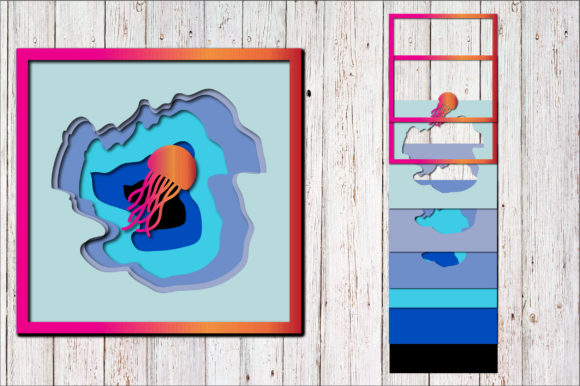
As a designer who spends more time at the hoop than away from it, I approach every new digital embroidery file with a mix of curiosity and skepticism. We've all downloaded a stunning graphic only to find it translates poorly into thread. When I first opened the Jellyfish design, my immediate reaction was one of visual intrigue. This isn't just a flat icon; as a 3D SVG, it carries a sense of depth and movement that is often missing in standard Shapes categories. The flowing tentacles and the bell shape suggest a fluidity that challenges us to think carefully about stitch direction and density before we even hit "start" on the machine.
First Impressions: Mood and Visual Personality
The Jellyfish design exudes a calm, oceanic mood. It feels organic rather than geometric, which makes it a versatile asset for various creative entrepreneurs. The layout is balanced, with the bulk of the visual weight centered, allowing the tentacles to drift naturally. For an embroidery project, this flow is critical. If the digitizing doesn't account for the pull of the thread on those long, trailing lines, the final result could look distorted. However, the clean lines in the source file suggest a well-thought-out structure. It feels like a design that belongs on something soft and wearable, or perhaps a home decor item where its serene presence can be appreciated up close.
Real-World Application: From Concept to Finished Product
To truly evaluate this design, I imagined a specific scenario: a custom order for a boutique beach shop needing a signature tote bag design. The client wanted something that felt premium but playful. Placing the Jellyfish on a heavy canvas tote immediately came to mind. The sturdy fabric would support the potential density of a 3D-style fill, preventing the design from sinking into the weave. Alternatively, I could see this working beautifully as sweatshirt embroidery on a heather grey fleece. The contrast between the soft fabric and the defined edges of the jellyfish would create a tactile experience for the customer.
For Etsy sellers and small shop product creators, this design offers strong potential for personalized gifts. Imagine adding a name in a simple script above the jellyfish for a baby embroidery project on a onesie or a nursery blanket. The theme fits perfectly for coastal-themed baby showers. Furthermore, as a printable mockup asset, the high-resolution PNG included in the download allows designers to showcase their vision to clients before stitching a single thread. This capability enhances buyer engagement and builds customer trust, as they can visualize the finished product clearly.
Navigating Technical Challenges and Fabric Choices
While the aesthetic appeal is high, practical execution requires caution. The nature of a 3D SVG implies dimension, which often translates to higher stitch density or layered elements in the machine embroidery design. When working with stretchy fabric like jersey knits for t-shirts, one must be vigilant. Dense areas can cause the fabric to pucker or restrict movement. In these cases, using a high-quality cut-away stabilizer is non-negotiable to maintain the integrity of the shape.
I also considered how this design would perform on dark fabrics. The transparency of a real jellyfish is hard to mimic with thread, so relying on thread colors that pop against a navy or black background is essential. If the design relies heavily on satin stitch borders, ensuring the angle of the stitches follows the curve of the bell is vital for a professional look. On textured fabrics like towels or aprons, the details might get lost if the fill stitch isn't dense enough to cover the loops of the terrycloth. Conversely, on thin fabrics, a heavy design could weigh the garment down uncomfortably.
Curved surfaces present another hurdle. Applying this to a cap or hat requires careful hooping. The tentacles, if too long or detailed, might not fit well within the limited hoop size of a standard cap frame without significant resizing, which could compromise the clarity of small details. It is always wise to test the design on scrap fabric of the same material and weight as your final project. This "test stitch" reveals issues with registration, thread breaks, or unexpected pulling that a screen preview simply cannot show.
Enhancing Brand Value and Commercial Viability
From a business perspective, the quality of your design assets directly impacts your brand consistency and perceived value. A crisp, well-executed Jellyfish embroidery signals professionalism. It tells the customer that attention was paid to detail, fostering recognition and loyalty. For those selling commercial embroidery services, offering unique designs like this sets you apart from competitors using generic, overused motifs. It adds a layer of exclusivity to your custom apparel lines.
However, before listing items on Etsy or at a craft fair, verifying the licensing terms is crucial. The product description notes this is an instant digital download with original images provided, but it does not explicitly detail the commercial license scope. Always confirm whether the file allows for unlimited sales of physical handmade products or if there are restrictions on reselling the digital file itself. Protecting your craft business legally is just as important as the artistic execution.
Practical Notes for the Studio
Before committing to a production run with Jellyfish, here are a few actionable steps I recommend:
- Check Contrast: View the design in black and white to ensure the shapes remain distinct without relying solely on color.
- Verify Formats: Ensure your machine accepts the provided formats (SVG, AI, PNG) or that you have the correct conversion tools, as some machines require specific proprietary files.
- Assess Density: If the design feels too heavy for a lightweight fabric, consider reducing the fill density in your editing software if the file type allows, or switch to a heavier stabilizer.
- Test Corners: Pay close attention to the tips of the tentacles; these are common areas for thread bunching if the turn commands aren't optimized.
- Review Scaling: Confirm that the design retains its clarity when resized for smaller items like patches or larger items like pillow covers.
In conclusion, the Jellyfish 3D SVG is a compelling choice for designers looking to add a touch of marine elegance to their portfolio. Its success lies not just in the download, but in the thoughtful application of technique, fabric selection, and business acumen. By respecting the technical demands of the design and understanding its market fit, you can transform a simple digital file into a cherished holiday embroidery gift or a best-selling embroidered patch.